
November 27, 2026
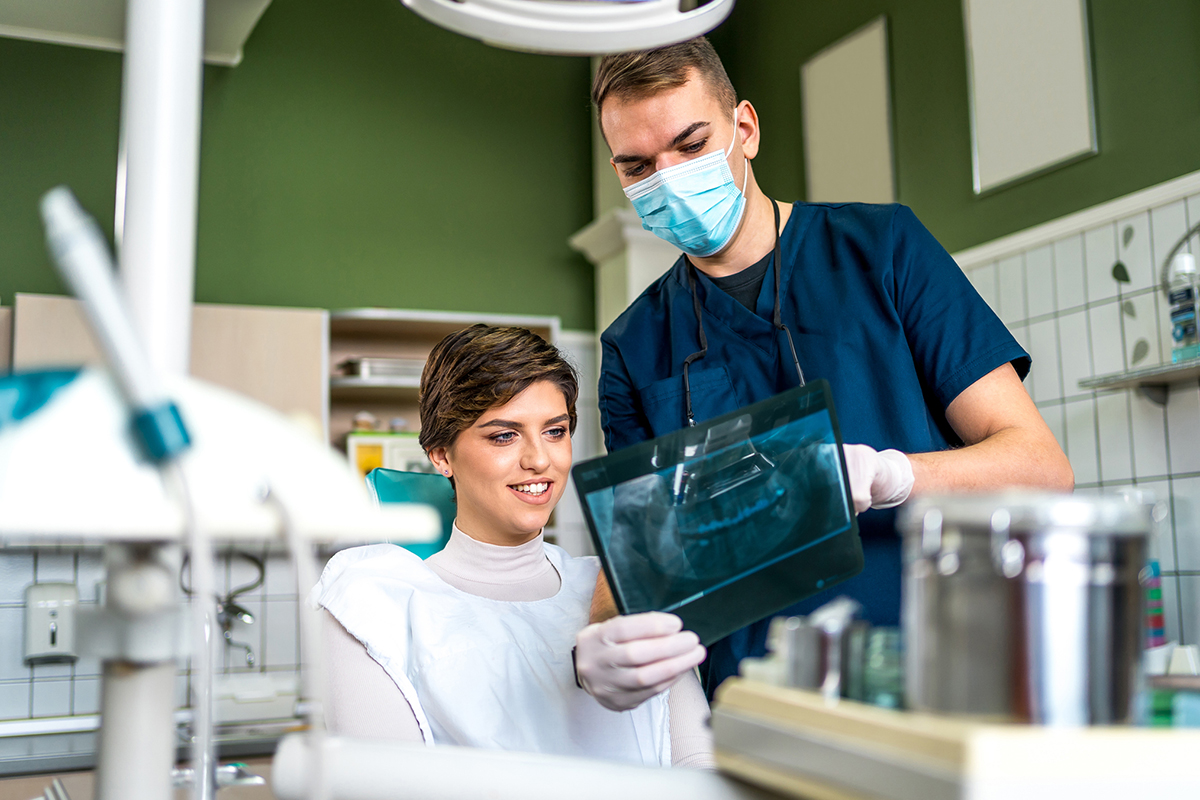
If your dentist has mentioned endodontic surgery, it's natural to feel uneasy. Many of our patients come to us after a root canal that never fully healed. Others have been told their tooth has an unusual shape that makes standard treatment difficult. We understand that the word "surgery" can bring up worry, especially when you've already been through treatment once. Surgical endodontics is a precise, well-established procedure designed to save natural teeth that might otherwise be lost.
At Modern Micro Endodontics, we regularly treat complex cases across our nine Northern New Jersey locations. In this article, we explain what surgical endodontics involves, who tends to be a good candidate, and what you can expect during and after your visit. Our goal is to help you feel informed and confident as you weigh your options with your dentist and our team.
What Is Surgical Endodontics and How Does It Work?
Root canal therapy treats most endodontic problems from inside the tooth. We clean the infected pulp, disinfect the canals, and seal everything to prevent bacteria from returning. Sometimes, though, infection or inflammation lingers at the very tip of the root, an area called the apex. A traditional root canal can't always reach this area. In these situations, we approach the problem from outside the tooth instead. The most common surgical endodontic procedure is an apicoectomy, also known as apical surgery or root-end resection.
During an apicoectomy, we gently open the gum tissue near the affected tooth to reach the bone over the root tip. We remove the infected or inflamed tissue along with a few millimeters of the root's end. Then we clean and seal the root from below with a small, biocompatible filling. We reposition the gum and close it with a few small sutures. Over the following months, the bone around the root heals on its own. In many cases, this approach lets you keep your natural tooth rather than replacing it with an implant or bridge.
Who Is a Good Candidate for Surgical Endodontics?
We understand that patients referred for surgery often feel frustrated, especially after investing time and trust in a previous root canal. A root canal that didn't fully heal is one of the most common reasons we recommend surgery. You may notice lingering tenderness, swelling, or a small, recurring bump on your gums near the treated tooth. Surgery can also be the better choice when retreatment would mean removing a well-made crown or a large post. Taking those apart can risk cracking the tooth. With an apicoectomy, we treat the problem at the root tip and leave your existing restoration in place.
Tooth anatomy plays a major role as well. Some teeth have calcified canals that have narrowed so much that instruments can't pass through them safely. Others have sharply curved roots, extra branches, or tiny side canals where bacteria can hide. Cysts or lesions at the root tip may need removal and a biopsy. Our team includes an endodontist who is also an oral pathologist, which adds a valuable layer of expertise for these cases. Not every tooth is suited for surgery, however. A severe vertical root fracture, limited bone support, or advanced gum disease may point toward other options. We review your imaging and health history carefully and talk through every alternative with you.
What to Expect During Your Procedure
We understand that the idea of surgery can feel intimidating. That's why we begin with a thorough evaluation using a CBCT (Cone Beam Computed Tomography) scanner. This 3D imaging shows the shape of your roots, the surrounding bone, and the size of any lesion in clear detail. It helps us plan your treatment precisely and confirm that surgery is the right choice before anything begins. The procedure itself is performed under local anesthesia, so the area stays numb throughout. Most apicoectomies are completed in a single visit, and many patients tell us the experience feels similar to a routine root canal.
We use a dental microscope during every procedure. It magnifies and lights up the treatment area, allowing smaller incisions, more accurate work, and gentler handling of your tissues. Each of our locations also has the EdgePRO dental laser to support treatment. To help you relax, our treatment rooms include televisions, and we offer blankets and neck pillows if you'd like them. Afterward, you can expect mild swelling and tenderness for a few days. Cold compresses and over-the-counter pain relievers usually keep you comfortable. Most patients return to normal activities within a day or two, and we schedule follow-up visits to confirm that the bone is healing well.
Finding Out Whether Surgery Is Right for Your Tooth
If you're living with ongoing discomfort after a root canal, or your dentist has told you your tooth is a complex case, you don't have to sort through your options alone. We take the time to examine your tooth with 3D imaging and magnification, explain what we see in plain language, and recommend the approach that gives your natural tooth the best chance of lasting. Dr. Vivian Graham has won NJ Top Doc awards for 12 years running and is a member of the American Association of Endodontists. Our team works closely with referring dentists across the region to coordinate your care. To learn more about our approach to surgical endodontics in New Jersey, please explore our surgical endodontics in New Jersey page or reach out to the office closest to you. We're here to help you feel comfortable and confident every step of the way.
Frequently Asked Questions About Surgical Endodontics
Is endodontic surgery painful?
We understand this is often the first concern patients have. Because we use local anesthesia, you shouldn't feel pain during the procedure, only some light pressure. Afterward, most patients experience mild soreness and swelling. Cold compresses and over-the-counter pain relievers usually manage it well for a few days.
How do I know if I need an apicoectomy instead of a second root canal?
The answer depends on your tooth's anatomy, your existing restoration, and the location of the infection. If a crown or post would be difficult to remove, or the canals are blocked or calcified, surgery may be the better path. We use CBCT imaging to evaluate your tooth and walk you through the pros and cons of each option.
How long does recovery take after surgical endodontics?
Most patients feel back to normal within a day or two. We typically remove sutures within about a week. The bone around the root continues healing over the following months, and we monitor that progress with follow-up imaging.
Will I be able to keep my natural tooth?
Saving your natural tooth is the main goal of surgical endodontics. When the tooth has healthy bone support and no major fractures, an apicoectomy can allow you to keep it for many years. If we find that surgery isn't the right fit, we'll explain why and discuss alternatives with you and your dentist.
Do I need a referral to be evaluated for endodontic surgery?
Many of our patients come to us through a referral from their family dentist, and we work closely with local practices to coordinate care. If you're experiencing discomfort or have questions about a previously treated tooth, please don't hesitate to contact us directly. We're glad to help you find answers.
At Modern Micro Endodontics, we provide gentle, comprehensive endodontic care, from root canal therapy to surgical endodontics and emergency treatment. Led by Dr. Vivian Graham, our team serves patients and referring dentists across Northern New Jersey at nine convenient locations. We use advanced tools like dental microscopes and CBCT imaging to help preserve your natural teeth. Please feel free to schedule an appointment at the office nearest you.