November 20, 2026
Hearing that you need surgery on a tooth can be unsettling, especially if that tooth already had a root canal. Many of our patients arrive worried that their first treatment failed or that they are about to lose the tooth. We understand that worry. Surgical endodontics has one main goal: to save your natural tooth when a standard root canal alone is not enough.
Most teeth heal well after root canal therapy. Sometimes, though, infection lingers near the tip of the root. A canal may be too curved, narrow, or blocked to clean from the inside, or a tiny crack may be hiding where X-rays can't easily show it. In these cases, surgery lets us reach the problem directly instead of working around it. Below, we explain the most common surgical endodontic procedures we perform across Northern and Central New Jersey, what each one involves, and what you can expect during recovery.
Apicoectomy: Treating Infection at the Tip of the Root
An apicoectomy, also called endodontic apical surgery, is the most common type of surgical endodontic procedure. We recommend it when inflammation or infection remains at the apex, the very tip of the root, after a root canal. This often happens because of tiny side branches in the root that standard cleaning cannot reach. You might notice lingering tenderness, a small bump on the gum, or a tooth that just never feels quite right. An apicoectomy treats the source of these symptoms while keeping your natural tooth in place.
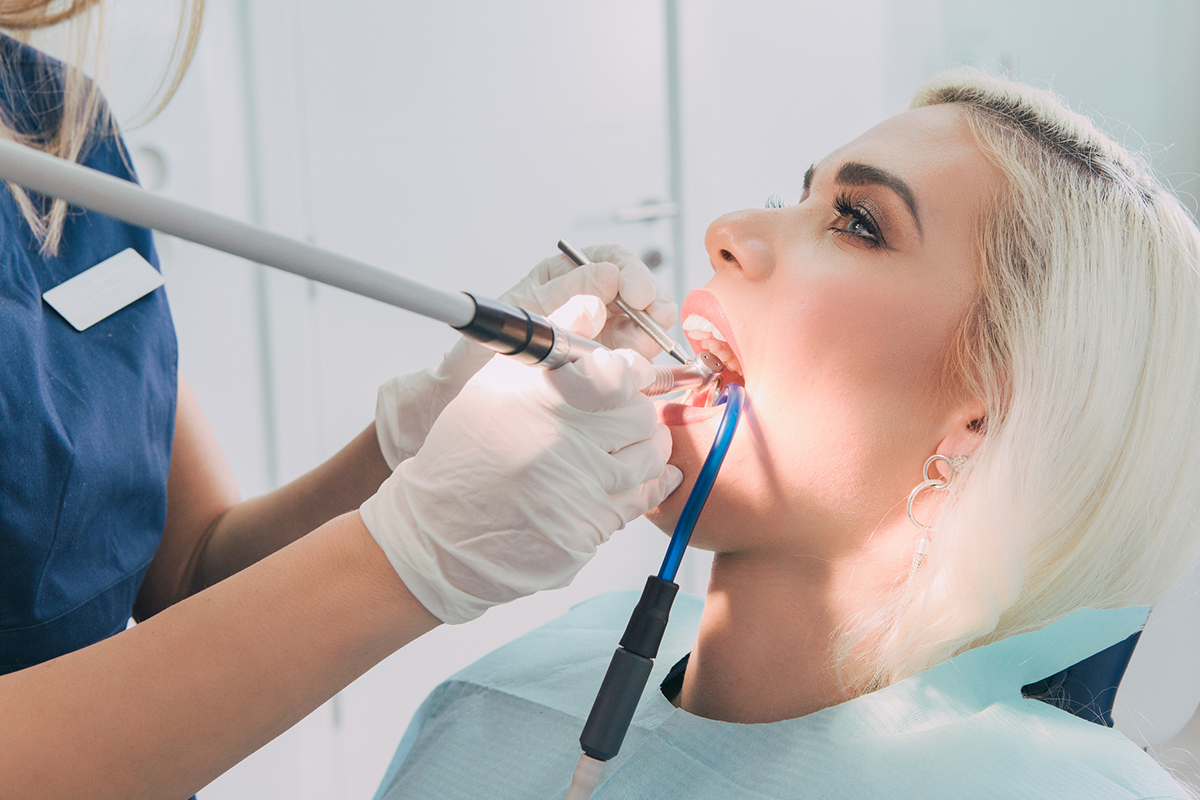
The procedure is more comfortable than most patients expect. We numb the area completely with local anesthesia, make a small opening in the gum near the root, and remove the inflamed tissue along with a few millimeters of the root tip. We then place a small filling to seal the end of the root and close the area with a few stitches. Every procedure takes place under a dental microscope, which magnifies the treatment area so we can work with precision and protect healthy tissue. If you are searching for an experienced endodontist in NJ for this procedure, our team performs apicoectomies regularly at our New Jersey offices. Most patients return to normal activities the next day.
Intentional Replantation: Treating the Tooth Outside the Mouth
Some teeth sit in places that are difficult to reach surgically. Back molars near the jaw joint, or roots close to major nerves and sinuses, can make a traditional apicoectomy impractical. Patients in this situation often believe extraction is their only choice. Intentional replantation offers another path to keeping your tooth.
During this procedure, we gently remove the tooth, treat and seal the damaged root tip outside the mouth, and then place the tooth back into its original socket. The entire process happens within minutes to protect the living cells that help the tooth reattach to the bone. In some cases, we place a light splint to keep the tooth stable while it settles in. Our CBCT (Cone Beam Computed Tomography) scanner, which creates a detailed 3D image of your teeth and jaw, helps us plan each step before treatment begins. The result is your own natural tooth, treated and back where it belongs, without the need for a bridge or implant.
Root Amputation and Hemisection: Saving Part of a Multi-Rooted Tooth
Molars have two or three roots, and sometimes only one of them is the problem. A single root might be fractured, severely infected, or surrounded by significant bone loss. You might feel pressure or pain in just one area of the tooth. Rather than removing the whole molar, we focus treatment on the damaged root alone.
With a root amputation, we remove the affected root while keeping the crown and the remaining healthy roots in place. With a hemisection, we divide the tooth in half and remove the damaged root along with the portion of the crown above it. Both procedures preserve as much natural tooth structure as possible. Your general dentist then typically restores the tooth with a crown to strengthen it for everyday chewing. We also use exploratory surgery when symptoms persist, but imaging does not show a clear cause. This lets us look directly at the root surface to find hidden cracks or missed canals, so you get a clear diagnosis and a clear plan.
Keeping Your Natural Smile With Gentle Surgical Care
Surgical endodontics sounds intimidating, but each of these procedures has the same purpose: protecting the tooth you already have. Your natural tooth works with your bite, your gums, and your jawbone in ways that replacements cannot fully match. An apicoectomy, intentional replantation, root amputation, or hemisection gives that tooth a second chance when a standard root canal is not enough.
We know that the thought of surgery makes many people nervous, so we focus on your comfort from the moment you walk in. Our offices are bright and calm, with televisions in each treatment room, blankets, and neck pillows to help you relax. Dr. Vivian Graham has received NJ Top Doc recognition for 12 years running and is a member of the American Association of Endodontists and the Hudson County Dental Society. Our team uses dental microscopes for every treatment, CBCT imaging for accurate diagnosis, and the EdgePRO dental laser at each location. If you have ongoing discomfort in a treated tooth or a referral from your dentist, contact us at your most convenient office.
Frequently Asked Questions About Surgical Endodontics
Is endodontic surgery painful?
Most patients are surprised by how comfortable the procedure feels. We numb the area completely with local anesthesia before we begin, so you feel pressure but not pain. Afterward, mild soreness and swelling are common for a few days. Over-the-counter pain relievers and cold compresses usually keep you comfortable, and we give you clear aftercare instructions before you leave.
How long does recovery take after an apicoectomy?
Most patients return to work and normal routines the day after surgery. Mild swelling typically peaks within the first two days and then fades. We usually remove or check your stitches within about a week. The bone around the root tip continues to heal quietly over the following months, and we schedule follow-up visits to confirm that healing is on track.
Why can't I just have another root canal instead of surgery?
In many cases, retreatment is the right first choice, and we recommend it when it makes sense. Surgery becomes the better option when the problem sits at the tip of the root, when a canal is blocked or too curved to clean, or when a crown or post would be damaged by reopening the tooth. We review your 3D images with you and explain why we recommend one approach over another.
How do I know if I need surgical endodontic treatment?
Common signs include lingering pain or tenderness in a tooth that already had a root canal, a recurring pimple-like bump on the gum, or swelling near one tooth. Some problems show no symptoms at all and appear only on X-rays. Your general dentist may notice something during a routine exam and refer you to us. We confirm the cause with detailed imaging before recommending any treatment.
What happens if I choose extraction instead of surgery?
Removing the tooth is always an option, but it often leads to more treatment later. A missing tooth usually needs a bridge or implant to protect your bite and prevent nearby teeth from shifting. These replacements add cost, time, and additional procedures. Surgical endodontics lets you keep your natural tooth, which often remains the simplest and most lasting choice for your long-term oral health.
Modern Micro Endodontics is a specialist endodontic practice led by Dr. Vivian Graham, serving patients across Northern and Central New Jersey from offices in Florham Park, Jersey City, Hoboken, Millburn, Cedar Grove, North Plainfield, Parsippany, Bayonne, and Englewood Cliffs. We provide root canal therapy, surgical endodontics, cracked tooth treatment, and emergency care in a calm, comfortable setting. Our team works closely with local dentists to help every patient find relief and keep their natural teeth. Visit us online to schedule an appointment at the location nearest you.