
September 23, 2026
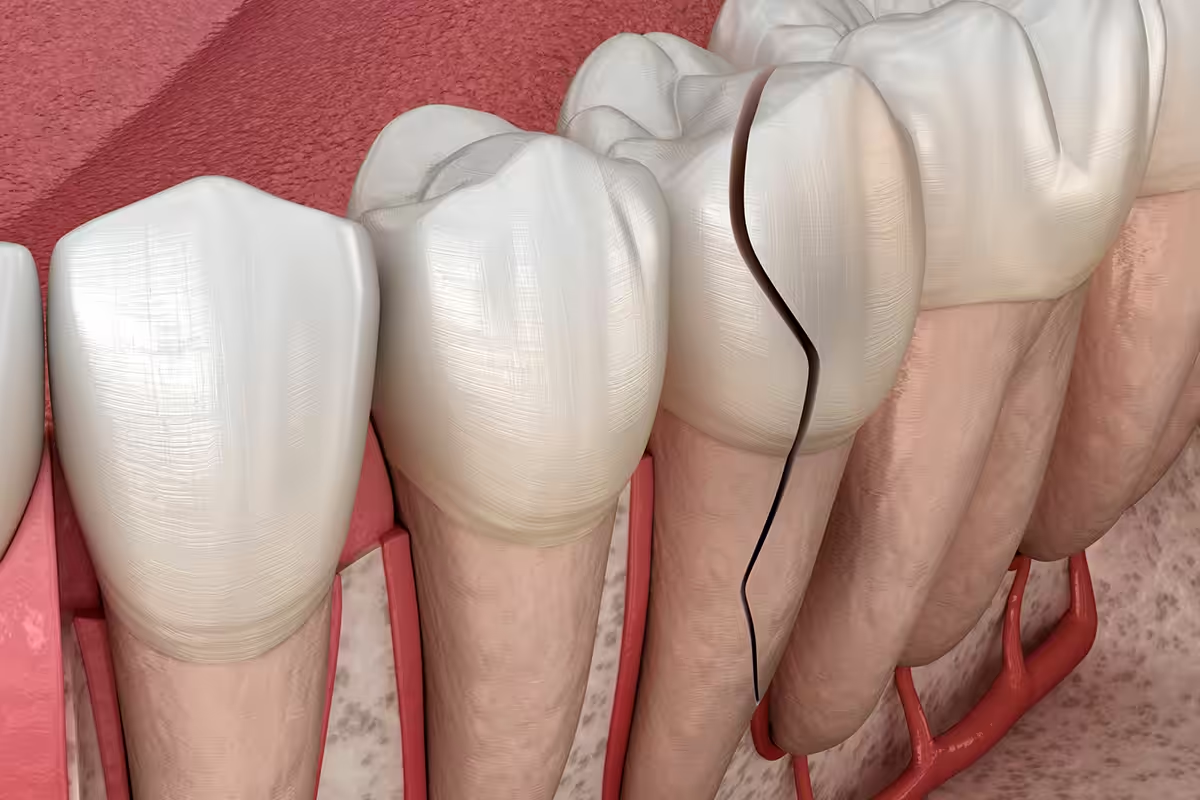
Discovering that you have a vertical root fracture can feel unsettling, especially when you are not sure what it means for your smile. A vertical root fracture, or VRF, is a crack that begins in the root of a tooth and travels upward toward the chewing surface. These fractures often develop in teeth that have already had root canal treatment, but they can also affect otherwise healthy teeth over time.
We understand how worrying it is to feel a persistent ache or notice swelling near a tooth, and we want you to know that help is within reach. Vertical root fractures are serious because they create a pathway for bacteria, which can lead to infection and bone loss if left untreated. The good news is that early evaluation gives you the best chance of saving your tooth, and understanding your options for a cracked tooth starts with a clear, careful diagnosis.
Diagnosing Vertical Root Fractures With Advanced Imaging
Many patients arrive frustrated because a fracture went undetected for months, and we understand that uncertainty is exhausting. Vertical root fractures are notoriously difficult to spot, since the crack often hides below the gumline where standard X-rays fall short. That is why an accurate diagnosis depends on both a thorough exam and the right technology.
At Modern Micro Endodontics, we use a CBCT (Cone Beam Computed Tomography) scanner to capture detailed, three-dimensional images of your tooth and the surrounding bone. Paired with a dental microscope, this lets our doctors see fine cracks that would otherwise be missed. Whether you feel sharp pain when biting or notice tenderness near the gum, we can pinpoint the source and explain exactly what we find in plain language.
Tooth-Preserving Treatment Options
Once we understand where the fracture is and how far it extends, we focus on preserving your natural tooth whenever possible. We know how much you value keeping your own smile, and we do everything we can to make that happen. For fractures caught early or limited to a small area, several conservative options may help.
Depending on your situation, treatment might include bonding to seal a small crack, a crown to hold the tooth together and protect it from further stress, or root canal therapy to remove infected tissue and relieve discomfort. Root canals treat painful infections in the tooth pulp, and we gently clean, treat, and reseal the tooth to restore comfort. Whether your fracture is minor or more advanced, we take the time to recommend the approach that gives your tooth its best chance.
When Extraction and Replacement Are the Right Choice
Sometimes a vertical root fracture extends too deeply to save the tooth, and we understand how disappointing that news can be. When a fracture splits the root or has caused significant bone loss, keeping the tooth may lead to ongoing infection and pain. In these cases, removing the tooth is the healthiest path forward, and we guide you through every step with care.
After extraction, you have reliable options to restore your smile and protect your bite. A dental implant or bridge can replace the missing tooth, and we work closely with your dentist to coordinate a smooth plan. Our goal is always your long-term comfort and oral health, so you can chew, speak, and smile with confidence again.
Take the Next Step Toward Relief
If you are living with tooth pain or worried about a possible fracture, you do not have to face it alone. Dr. Vivian Graham and our experienced team treat vertical root fractures and cracked teeth across nine locations in Northern and Central New Jersey, using advanced technology in a calm, welcoming setting. We understand that endodontic care can feel intimidating, and we quickly help every patient feel at ease with amenities like blankets, neck pillows, and clear explanations at each step. Whether your tooth can be saved or needs to be replaced, we will help you find lasting relief and protect your smile. Reach out to the office most convenient for you, and let us show you a higher standard of compassionate endodontic care.
Frequently Asked Questions About Cracked Teeth
What causes a vertical root fracture in adults?
Vertical root fractures often develop in teeth that have had previous root canal treatment, but they can also result from years of heavy chewing, teeth grinding, or trauma. Age, large fillings, and repeated stress on a tooth can all make a fracture more likely over time.
How do I know if my tooth is cracked or fractured?
Common signs include sharp pain when biting, sensitivity to hot or cold, swelling near the gumline, and discomfort that seems to come and go. Because these symptoms can be subtle, we recommend a professional exam with advanced imaging to confirm what is happening.
Can a cracked tooth or vertical root fracture heal on its own?
Unfortunately, cracks and fractures in teeth do not heal by themselves the way a broken bone might. Early treatment is important because addressing the problem quickly gives you the best chance of saving your tooth and preventing infection.
Is treatment for a fractured tooth painful?
We understand that many patients feel nervous about discomfort, and we prioritize your comfort throughout your visit. Using gentle techniques and modern technology, we work to relieve your pain rather than add to it, and we explain each step so you always know what to expect.
Will I lose my tooth if it has a vertical root fracture?
Not always. When we catch a fracture early, and it is limited in size, options like bonding, a crown, or root canal therapy may save the tooth. If the fracture is severe, we will discuss replacement options that keep your smile healthy and complete.
At Modern Micro Endodontics, we are a comprehensive endodontic practice led by Dr. Vivian Graham, serving patients across Northern and Central New Jersey from nine convenient locations. Whether you are facing a cracked tooth, a vertical root fracture, or another endodontic concern, we combine advanced technology with compassionate, patient-centered care to help you find relief. We invite you to schedule an appointment at the office nearest you.