
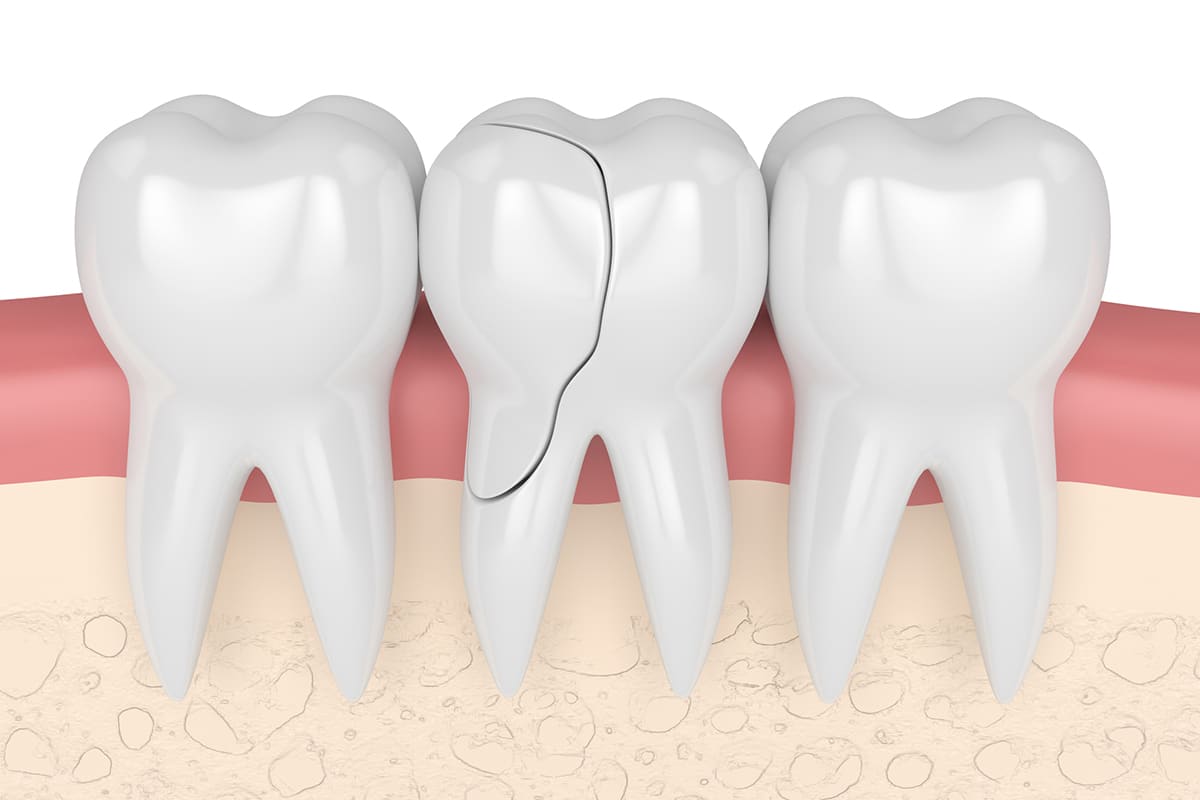
We understand that discovering a crack in your tooth can be a source of anxiety. It's easy to hope that if you ignore the slight twinge or sensitivity, it might just go away on its own. However, our teeth are not like bones that can heal themselves; once a tooth structure is compromised, it requires professional care to restore its health. Ignoring a cracked tooth often leads to a progression of symptoms that can turn a minor repair into a complex dental emergency. We want to help you avoid that unnecessary discomfort and stress by explaining why timely intervention is the kindest thing you can do for your smile.
A cracked tooth often starts subtly—perhaps you feel a sharp pain when biting into certain foods, or maybe there's a fleeting sensitivity to hot coffee or cold ice cream. At this early stage, the crack may only affect the outer enamel. However, without treatment, chewing forces will cause the crack to flex and open slightly, irritating the soft tissue inside the tooth, known as the pulp. Over time, this constant irritation can damage the pulp beyond repair. By addressing the issue early, we can often save the tooth with less invasive procedures, preserving your natural smile and saving you from more extensive dental work down the road.
The Risk of Infection and Abscess
One of the most significant risks of delaying care is the potential for deep infection. When a crack extends beyond the hard outer enamel and penetrates the dentin or the pulp chamber, it creates a direct pathway for bacteria to enter the living center of the tooth. The pulp contains nerves and blood vessels that are vital for the tooth's health, but they are extremely vulnerable to bacterial invasion. Once bacteria reach this area, the pulp can become inflamed and eventually die. This is not just painful; it creates an environment where infection can thrive and spread into the surrounding bone and gum tissue.
If left untreated, this infection often develops into a dental abscess—a pocket of pus that forms at the root of the tooth. An abscess is a serious condition that can cause severe, throbbing pain, facial swelling, and even systemic fever. In severe cases, the infection can spread to other parts of the head and neck, posing a broader health risk. Treating a cracked tooth early prevents bacteria from gaining a foothold. We prioritize your safety and comfort, and addressing a crack before infection sets in allows us to perform cracked tooth treatment that is far more straightforward and comfortable than managing a severe abscess.
Tooth Fracture and Loss
Another critical consequence of ignoring a cracked tooth is the risk of the tooth splitting entirely. A crack compromises the structural integrity of the tooth, making it significantly weaker. Every time you chew, bite, or grind your teeth, you apply immense pressure to that weakened structure. Over time, what started as a hairline fracture can deepen and widen, eventually causing a piece of the tooth to break off. If the crack extends vertically down into the root, the tooth may split into two distinct sections. Unfortunately, a split tooth is often impossible to save intact.
When a tooth splits, the damage to the root usually means the tooth must be extracted. Losing a natural tooth impacts more than just your appearance; it can affect your ability to chew comfortably and may lead to bone loss in the jaw over time. While dental implants and bridges are excellent restorative options, our primary goal at Modern Micro Endodontics is always to save your natural teeth whenever possible. By seeking help at the first sign of trouble, you give us the best chance to reinforce the tooth structure—often with a crown or root canal therapy—preventing a catastrophic fracture and keeping your natural smile whole.
Chronic Pain and Sensitivity
Living with an untreated cracked tooth often means living with unpredictable and escalating discomfort. Initially, the pain might be erratic—appearing only when you bite down in a specific way or eat something very cold. This unpredictability can be stressful, causing you to alter your eating habits to favor one side of your mouth. Over time, however, as the crack deepens and the pulp becomes more damaged, the pain can become constant and severe. You might experience a dull ache that disrupts your sleep or sharp pains that occur without any provocation at all.
This chronic pain can significantly impact your quality of life, making simple pleasures like enjoying a meal or drinking a cold beverage a source of fear. The inflammation associated with a cracked tooth can also lead to heightened sensitivity that lingers long after the stimulus is removed. We believe no patient should have to endure chronic oral pain. Our compassionate team uses advanced diagnostic tools to locate even the smallest cracks that might be causing your symptoms. By intervening early, we can eliminate the source of your pain, restoring your comfort and allowing you to enjoy your favorite foods without hesitation.
Preserving Your Natural Smile
Ultimately, timely attention to a cracked tooth is about preserving your health and peace of mind. While the idea of dental treatment might feel daunting, waiting almost always complicates the outcome. Early treatment usually involves simpler procedures with high success rates, whereas delaying care can limit our options. We are here to support you through every step, ensuring you understand your condition and feel completely at ease with your care plan. Your comfort is our priority, and resolving a cracked tooth now is the best way to ensure a pain-free, healthy future for your smile.
Frequently Asked Questions About Cracked Teeth
How do I know if my tooth is cracked or just sensitive?
This is a very common question, as the symptoms can feel quite similar. Generally, standard tooth sensitivity is a consistent, fleeting reaction to hot or cold stimuli across several teeth. A cracked tooth, however, often presents more localized symptoms. You may feel a sharp, erratic pain, specifically when biting down or releasing bite pressure on a single tooth. If the pain is pinpointed to one area and happens inconsistently while chewing, it is a strong indicator of a crack rather than general sensitivity. Because cracks can be invisible to the naked eye and sometimes even on X-rays, we recommend a professional evaluation if you notice these specific symptoms.
Can a cracked tooth heal on its own?
Unlike a broken bone, a cracked tooth cannot heal itself. The enamel and dentin that make up the hard structure of your tooth do not have the biological ability to regenerate or fuse back together once separated. While you might have periods where the pain seems to subside, the structural damage remains and will likely worsen over time due to the pressure of chewing. Ignoring it allows the crack to propagate, potentially leading to infection or tooth loss. Professional treatment is necessary to bond the tooth, protect the pulp, and prevent the crack from deepening.
At Modern Micro Endodontics, we are dedicated to providing compassionate, specialized care to save your natural teeth and restore your comfort. If you suspect you have a cracked tooth, please contact us today to schedule an appointment at one of our convenient locations.