
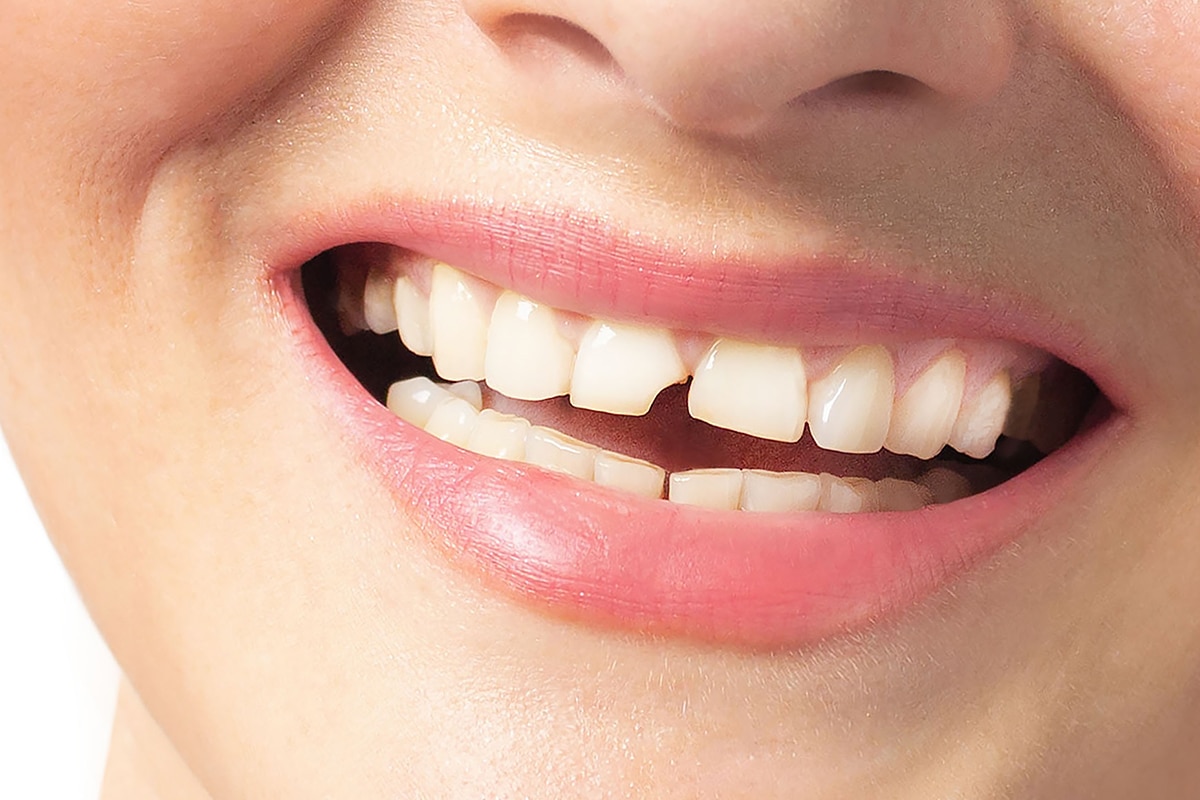
Participating in sports is a wonderful way for young people to stay active, build teamwork skills, and create lasting memories. However, the physical nature of many athletic activities can sometimes lead to injuries. While scrapes and bruises are common, dental injuries are also a significant concern, particularly for young athletes. When a tooth is chipped, cracked, or knocked out, it can be a distressing experience for both the child and their parents. We understand the urgency and anxiety that come with these situations. Our focus is on providing immediate, compassionate care to address the injury, alleviate pain, and preserve the natural tooth whenever possible.
A traumatic dental injury requires prompt and specialized attention. The type of care needed depends heavily on the nature and severity of the fracture. In many cases, especially when the inner part of the tooth, known as the pulp, is exposed, endodontic treatment is necessary. As specialists in saving teeth, we are equipped with the advanced technology and expertise to handle these complex cases. We are dedicated to making the experience as comfortable and stress-free as possible for our young patients, ensuring they receive the best possible outcome so they can return to their active lives with a healthy smile.
Understanding Traumatic Dental Injuries
Traumatic dental injuries in young athletes can range from minor chips in the enamel to severe fractures that affect the tooth's nerve and blood supply. Common causes include direct impact from a ball, a collision with another player, or a fall. The front teeth are most susceptible to this type of trauma. When a tooth is fractured, the first step is a thorough and gentle examination to determine the extent of the damage. We use advanced imaging, like digital X-rays and 3D CBCT scanning, to get a clear picture of the tooth's structure, including the root and surrounding bone.
For young patients, a key consideration is the developmental stage of the injured tooth. In children and adolescents, the roots of their permanent teeth may still be developing, a condition known as having an "immature apex." This is a critical factor in our treatment planning. Preserving the vitality of the tooth's pulp is our highest priority, as the root needs to continue developing properly. A fully formed root provides a strong foundation for the tooth for the rest of its life. Different types of fractures require different approaches. A simple chip might only need a cosmetic restoration, but deeper fractures that reach the pulp tissue require specialized endodontic procedures designed to protect and heal the developing tooth. We are committed to explaining every step of the process clearly, ensuring you and your child feel informed and at ease.
Pulp Therapy for Immature Teeth
When a tooth fracture exposes the pulp, immediate treatment is crucial to prevent infection and save the tooth. For young athletes with still-developing teeth, our goal is to perform a procedure that allows the root to continue its growth, a process called apexogenesis. One common treatment is vital pulp therapy. This involves carefully removing the inflamed or damaged part of the pulp tissue while preserving the healthy portion underneath. After removing the affected tissue, we place a special biocompatible material directly over the remaining healthy pulp. This material acts as a protective barrier, encouraging the pulp to heal and stimulating the cells responsible for root formation to continue their work.
This conservative approach is highly effective in maintaining the tooth's vitality and allowing for natural root development. It helps the tooth become stronger and more resilient over time, reducing the risk of future fracture or tooth loss. We understand that the idea of any dental procedure can be intimidating for a child. Our team takes extra care to create a calm and reassuring environment. We use gentle techniques and explain what we are doing in simple, age-appropriate terms. By prioritizing both the long-term health of the tooth and the immediate comfort of our patients, we can successfully manage these challenging injuries and set the stage for a lifetime of good oral health.
Advanced Endodontic Treatment Options
In some cases, the trauma may be so severe that the pulp tissue cannot be saved, or an infection has already developed. For a developing tooth, this situation poses a significant challenge because root formation has stopped. In these instances, a procedure known as apexification may be required. Unlike traditional root canal therapy, where the canal is cleaned and filled immediately, apexification is a multi-step process. We first gently clean the root canal to remove the non-vital tissue and disinfect the space. Then, we place a medication inside the canal to encourage the body to form a hard tissue barrier at the open end of the root. This process can take several months, and we will monitor the tooth closely during this time.
Another cutting-edge option for these cases is regenerative endodontics. This innovative procedure aims to regenerate the damaged pulp tissue itself. By carefully disinfecting the root canal and introducing a scaffold that promotes new tissue growth, we can help the body rebuild the pulp-dentin complex. This not only allows the root to continue developing in length and thickness but also restores some of the tooth’s natural defense mechanisms. Managing complex tooth fractures in sports requires a high level of expertise and technology. We are proud to offer these advanced treatments, giving our young patients the best chance to save their natural teeth and maintain a healthy, confident smile.
Your Next Steps for a Healthy Smile
When a dental injury occurs, knowing the right steps to take can make all the difference. Quick and appropriate action is key to saving the tooth and preventing future complications. We are here to guide you through this process with expertise and compassion. Our team specializes in treating traumatic dental injuries, utilizing the latest techniques and technology to provide the best possible care for young athletes. We prioritize patient comfort and clear communication, ensuring you feel supported from the moment you walk through our doors. Trusting us with your child's dental health means choosing a partner dedicated to preserving their natural smile for years to come.
Frequently Asked Questions About Traumatic Dental Injuries
What should I do immediately after my child fractures a tooth?
If your child fractures a tooth, it's important to remain calm. Have your child rinse their mouth with warm water to clean the area. If there is any bleeding, apply gentle pressure with a clean piece of gauze. A cold compress on the outside of the mouth or cheek can help reduce swelling and ease discomfort. Try to find any broken tooth fragments, as we may be able to reattach them. Most importantly, contact us or your dentist immediately. Timely treatment is critical for a successful outcome, especially if the tooth's pulp is exposed.
Is a root canal always necessary for a fractured tooth?
Not all fractured teeth require a root canal. The need for endodontic treatment depends on the severity and location of the fracture. If the crack only affects the outer enamel and dentin layers, a simple filling or crown may be sufficient. However, if the fracture extends into the pulp—the soft inner tissue containing nerves and blood vessels—treatment is necessary to prevent infection and save the tooth. For young patients with developing teeth, we often perform vital pulp therapy to preserve the tooth's vitality and allow the root to mature. We will always perform a thorough evaluation to recommend the most conservative and effective treatment.
At Modern Micro Endodontics, we combine exceptional patient care with compassionate treatment. We understand that our patients are often experiencing discomfort, and we dedicate ourselves to helping them find lasting relief. If your child has experienced a dental injury, please contact us to schedule an appointment at one of our convenient locations.